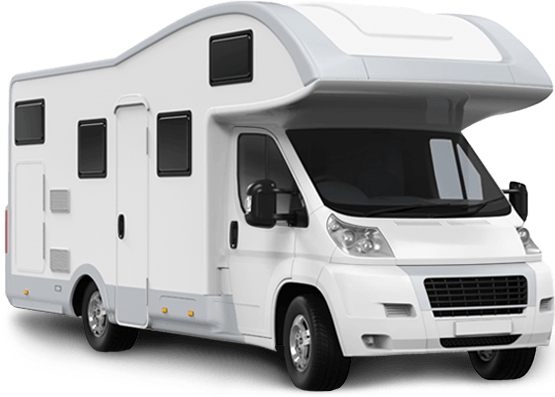
Road Restrictions
Travelling on a campervan holiday gives you immense freedom to explore the vast land that is Australia, but there can be limitations on exact places where you can take your vehicle. Find out more here
Not all campers are suitable for all driving situations. 2WD campervans and motorhomes are not equipped for rough terrain and cannot be driven on dirt or unsealed roads. Guests who travel to restricted areas without permission may void the liability reduction option in the event of damage or accident.
2WD Campervans and Motorhomes
2WD campervans and motorhomes can only be driven on sealed/bitumen roads and cannot be taken off-road. The exception is well-maintained access roads of less than 2 kilometres to recognised commercial campgrounds and major tourist attractions, depending on your chosen campervan supplier’s conditions. Apollo, Britz, Cheapa Campa, Maui and Mighty allow up to 12 kilometres on maintained access roads in this circumstance.
4WD Campervans
4WD campervans can be driven on recognised tracks, depending on road conditions, weather and distance. Written permission may be required from the rental company for many areas in Australia. Make sure to discuss your intended travel plans with the rental provider when picking up your vehicle. Permits are required for certain Aboriginal Lands and rental companies impose their own restrictions. Compare available 4WD camper models to find one suited to your route.
Commonly Restricted Routes
Campervan suppliers maintain lists of roads and tracks that are off-limits — even for 4WD campervans. These vary between companies, but the following routes appear consistently across major suppliers’ terms and conditions.
Western Australia
- Gibb River Road — restricted by most suppliers, even for 4WD campervans
- Cape Leveque Road (north of Broome)
- Bungle Bungles / Purnululu access track
- Kalumburu Road and tracks in the far Kimberley
Northern Territory
- Jim Jim Falls and Twin Falls access tracks (Kakadu)
- Mereenie Loop Road (between Alice Springs and Kings Canyon) — some suppliers permit this for 4WD with prior approval
- Central Arnhem Road
- Tanami Road (NT section)
- Dusk-to-dawn driving restrictions apply on many NT highways due to wildlife hazards
Queensland
- Cape York tracks north of Cooktown (including the Telegraph Track and Old Coach Road)
- Bloomfield Track (between Daintree and Cooktown)
- Savannah Way (unsealed sections)
- Fraser Island / K’gari — most campervan suppliers prohibit this entirely (specialist 4WD hire is available locally)
Central Australia and Outback Tracks
- Tanami Track (Alice Springs to Halls Creek)
- Gunbarrel Highway
- Oodnadatta Track
- Canning Stock Route
- Strzelecki Track and Birdsville Track (unsealed sections)
- Simpson Desert crossings
As a general rule, if a route appears in a 4WD adventure guide, it’s likely restricted for rental campervans.
Popular Routes That ARE Accessible
Australia’s most popular driving routes are fully sealed and accessible with any 2WD campervan or motorhome:
- Great Ocean Road (VIC) — fully sealed, one of Australia’s most scenic coastal drives
- Pacific Highway (Sydney to Brisbane) — major sealed highway with plenty of caravan parks along the way
- Stuart Highway (Adelaide to Darwin, including the turn-off to Uluru) — sealed the entire way
- Great Barrier Reef Drive (Cairns to Cape Tribulation via the Daintree ferry) — sealed
- Indian Ocean Drive (Perth to Geraldton, WA) — sealed coastal route
- Tasman Highway and east coast routes in Tasmania — sealed
If you’re sticking to sealed highways and tourist routes, you’ll have no trouble with a standard 2WD campervan. Browse our campervan itineraries for route inspiration.
Do Campervans Have Speed Restrictions?
You must drive within the signed speed limits, and you should always drive to the conditions. The maximum speed limit on some major Australian highways is 110 km/h (68 mph). Vehicles must not be driven at a speed exceeding this limit. Larger motorhomes can feel less stable at high speeds, especially in crosswinds — many experienced campervan travellers cruise at 90–100 km/h for comfort and fuel efficiency.
Vehicle Height Awareness
Campervans and motorhomes are significantly taller than regular cars. Most rental campervans range from 2.3 m to 3.6 m in height, depending on the model:
Vehicle Type | Typical Height |
|---|---|
Compact campervans (2–3 berth) | 1.9 m – 2.5 m |
Mid-range motorhomes (4 berth) | 3.1 m – 3.4 m |
Large motorhomes (5–6 berth) | 3.2 m – 3.6 m |
4WD campervans (roof closed) | 2.3 m – 2.8 m |
Know your vehicle’s height before you drive. Check the sticker inside the cab or ask at pick-up. Watch out for:
- Low bridges and underpasses — clearance signs are posted, but you need to know your height to use them
- Multi-level car parks — most have a 2.1 m clearance limit, which rules out all campervans except the smallest
- Drive-through restaurants and car washes — often too low for anything above a compact campervan
- Overhead tree branches — particularly on narrow bush tracks and in older caravan parks
- Service station canopies — some regional fuel stations have low awnings
Roof-mounted damage is typically not covered by standard insurance, so always err on the side of caution.
Fuel Planning for Remote Areas
When travelling through remote Australia, fuel stations can be 200 km or more apart. Running out of fuel on a remote highway is both dangerous and expensive — recovery costs from the Outback can run into thousands of dollars.
- Fill up whenever you can — don’t pass a fuel station hoping for a cheaper one further on
- Know your range — campervans and motorhomes use significantly more fuel than cars, typically 15–20 litres per 100 km for larger models
- Carry extra fuel on long outback legs if your supplier permits it (ask at pick-up — some prohibit jerry cans due to fire risk)
- Plan your stops — check fuel station locations before departing, especially on the Stuart Highway, Great Northern Highway and other long-distance routes
- Diesel vs petrol — check which fuel your campervan requires and confirm availability at remote stations, where diesel is more common than premium unleaded
Can the Supplier Restrict Where You Can Go?
Campervan companies reserve the right, at their sole discretion, to restrict vehicle movements in certain areas due to:
- Weather conditions or adverse road conditions
- The distance between your destination and the length of the hire period
- Any concerns the company may have regarding the driver’s experience or ability
Any travel restrictions known will be advised at the time of pick-up.
Can I Drive at Night?
You are limited in the roads you can drive on at night. Campervan suppliers will not permit you to drive on highways or open country roads at night. In Australia, you are much more likely to come into contact with a kangaroo, wombat, deer, or other wild animal at night than during the day. Plan your driving so you reach your campsite before dusk.
Can I Take My Campervan on the Ferry?
You can take your campervan or motorhome on the Spirit of Tasmania from/to Geelong or Devonport.
Travel is restricted and permission from your campervan provider is required if you wish to take the ferry to Bruny Island, Kangaroo Island, Magnetic Island and/or North Stradbroke Island. The ferries guide has the full list of permitted crossings, costs and booking tips.
Seasonal Restrictions
Wet Season (November to April)
In the Top End (Northern Territory) and tropical Queensland, the wet season brings heavy rainfall that can close roads for weeks. Suppliers may restrict travel to certain areas during these months, even on roads that are otherwise permitted.
Do not attempt to drive through floodwater. Floodwater hides washed-out road surfaces, deep holes and debris. Flood damage is typically not covered under your rental agreement, regardless of your insurance level.
Snow Season (May to October)
Campervans and motorhomes cannot drive above the snow line between 1 May and 31 October in New South Wales and Victoria. The snow line refers to a set point at either the entrance to a national park where snow falls, or any area where snow chains are required for safe driving. Snow chains cannot be fitted to most campervans and motorhomes.
What Happens If You Break the Rules
Driving outside your rental agreement’s permitted areas has serious financial consequences:
- Your insurance is completely invalidated — including any excess reduction or damage cover you’ve purchased
- You become liable for the full cost of the vehicle, which can be $50,000–$150,000+ for a motorhome
- You’re also liable for third-party damage — any damage to other vehicles, property or infrastructure
- Recovery and towing costs from remote areas are entirely your responsibility, and these can run into thousands of dollars
This applies even if the damage was not caused by the road surface. If you have an accident on a restricted road, your cover is void simply because you were somewhere you shouldn’t have been.
Check Road Conditions Before You Go
Before heading out, check current road conditions through the relevant state or territory government website:
- New South Wales — Live Traffic NSW
- Victoria — VicRoads
- Queensland — QLDTraffic
- Western Australia — Main Roads WA
- South Australia — SA.GOV.AU Road Conditions
- Northern Territory — NT Road Report
- Tasmania — Tasmania Road Conditions
- ACT — Transport Canberra
Road conditions in remote areas can change rapidly, especially after rain. If a road is officially closed, your rental agreement will not cover you for driving on it — even if it looks passable.
Planning a similar trip in a rental car? See our car hire road restrictions guide for car-specific rules.
Other Things to Consider
Before You Book
- Age Restrictions
- Apps to Help With Your Planning and Travel
- Bedding, Personal and Vehicle Inclusions
- Best Times to Travel
- Booking During School Holidays
- Booking with Confidence
- Drivers Licences
- Equipment
- Features to Consider When Choosing a Campervan
- Groups Travelling Together
- Long Term Campervan Hire
- Luggage
- Mobility Restricted Speciality Vehicles
- Price Guarantee
- Road Restrictions
- Things to Consider Before You Book
- Types of Campervans Available
- Understanding Pricing
- What to Pack