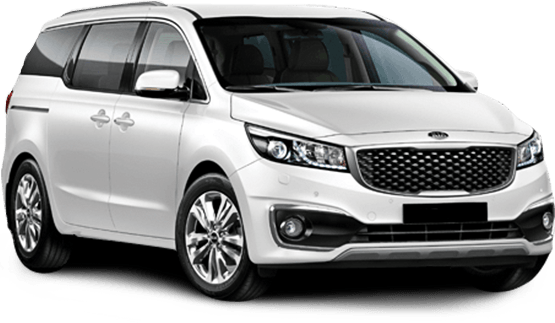
Child Seat Hire
Hire a child seat or baby capsule when renting a car in Australia
Refreshed: October 2024
Can I hire a booster or child seat when renting a car?
Yes. Car rental companies hire booster and child seats on a daily cost basis with a maximum price cap. In many countries when children are travelling in a vehicle they are required by law to be secure and safely buckled up in a child or booster seat.
Please Note - Child safety seating is on request and subject to availability at the car rental branch. You are welcome to use your own equipment as long as it conforms to Australian/New Zealand Standard 1754. In general child car seats from overseas do not comply with Australian standards and are not compatible with Australian vehicles. Australian vehicles have a unique top-tether strap anchorage system, which only Australian standard approved child car seats are compatible with.
Whilst we always aim to publish the latest available information and pricing, as these are managed by our suppliers they are subject to change beyond our control. Therefore the details below should be treated as a guide as to what can be expected from car rental providers with regard to child seating. The choice of the most appropriate child restraint is at the discretion of the parent.
What is the cost to hire a child car seat?
Prices will be displayed as a per day price with a capped cost or as a cost per rental period. Per day pricing ranges between $10 to $20 with a maximum cap cost of $60 to $82 per hire. The per rental period cost can range between $36 to $72 per hire.
How do l include a child seat on my DriveNow booking?
Once you have selected your vehicle, you have the option to include a child seat in your reservation with a simple click of a button. Displayed will be the rental car supplier child seat options which you can select from, choose between a rear facing seat, forward facing seat or a booster seat.
· Rear facing child seat – For babies 0 to 6 months of age.
· Forward facing child seat – Can accommodate children aged between 7 months to 4 years of age.
· Booster seat – Suitable from ages 4 to 7+ years.
Child Restraint Information
All children should be seated in a suitable restraint when travelling in a car for their own safety. Adult seatbelts do not offer sufficient protection for babies and children and an appropriate child restraint must be used. Since March 2010 all Australian States and Territories have had uniform legislation covering Child Restraints. All Children under the age of 7 must travel in child restraints or use booster seats.
- Children in adult seatbelts are 3.5 times more likely to be significantly injured in a crash compared with children in a child restraint.
- Seatbelts are designed for adults and do not offer enough protection for children. They can be harmful in the event of a crash and if used incorrectly or prematurely can increase the risk of injury or death.
- Children are not big enough to be appropriately restrained by a seat belt alone. Their legs are not long enough to bend at the seat edge and so children slump, pushing the lap part of the belt up into the abdomen area instead of across the thighs.
- Child restraints have inbuilt safety features to protect a child’s head and lower body, such as the wings on each side of the seat. Children in adult seat belts miss out on this customised safety that is designed specifically for their size and weight.
Child Restraint Categories
- 0 - 6 months: Children must be in an approved rear-facing child restraint
- 7 months - 4 years: Children must be in an approved rear-facing or forward-facing child restraint with built-in harness
- 4 - 7 years: Children must be in an approved forward facing child restraint or booster seat equipped with adjusted and fastened harness or seat belt. The type of restraint will depend upon the child's size
- 7 - 16 years: Children aged between seven years old and 16 years old must use a booster seat if they are too small to be restrained by a seatbelt properly adjusted and fastened or adult seat belt when the lap sash seatbelt properly fits them. Achieving a good seatbelt fit usually happens when children are 145cm tall (the average age children reach this height is between 10 to 12 years old) and can pass the five step test.
Further Information on car child seats
What are the differences in child seats?
Rear facing child car seats: Rear facing child seats face your child towards the back of your vehicle. A rear facing child car seat must be installed according to the manufacturer’s instructions by:
- being securely attached to the seat by the seat belt
- having its top tether strap attached
- having an inbuilt harness
When putting the inbuilt harness on your child, ensure your child’s shoulders are below the shoulder height markers on the seat.
The recommended approach is to keep your child in a rear facing child car seat until they have outgrown their rear-facing child car seat, ideally until they are at least twelve months old. You should move your child to a forward-facing child car seat if they have reached the upper limit of the shoulder height marker, or their shoulders are above the highest harness slot.
You can use a single purpose capsule or rear facing restraint. Some rear facing seats can convert to another mode when your child is big enough. Check the restraint's instruction manual to find out if and how you can do this.
Forward facing child car seats: When using a forward-facing child car seat, it must be installed according to the manufacturer’s instructions by:
- being securely attached to the seat by the seat belt
- having its top tether strap attached
- having an inbuilt harness
When putting the inbuilt harness on your child, your child’s shoulders should be below the shoulder height markers. If your child's shoulders reach the harness slot, move the straps to a higher slot.
You should move your child to a larger forward facing child car seat or a booster seat if their shoulders are above the highest slot for the harness and have reached the shoulder height marker available on some restraints.
You can use a single purpose forward facing restraint or one that can convert to another mode when your child is big enough. Check the restraint's instruction manual to find out if and how you can do this.
Booster seats: Booster seats are held in place by the child's own body and the vehicle's lap-sash seat belt. Tips for choosing and installing a booster seat:
- Only use a lap-sash seat belt with a booster seat.
- Check that the sash of the seat belt crosses your child's shoulder and does not touch their neck.
- If your seat has a top tether strap, it must be used.
- Choose a booster seat with an expandable headrest. This feature lets you adjust the height of the booster seat as your child grows.
- Choose a booster seat with an anti-submarining feature. This holds the lap part of the seat belt low on a child's hips to stop them from sliding under the seat belt in a crash.